
How Yard Drainage Helps Your Property
Water gathering beside a patio or across a garden path can keep a useful part of your yard out of reach after rain. Yard drainage in Dothan, AL can collect that surface water and redirect it toward a suitable outlet.
Dothan Drainage Co. plans the correction around where runoff enters the yard and the features you want to keep. Our drainage services account for existing paving and planting beds when comparing places to collect water and routes to carry it away.
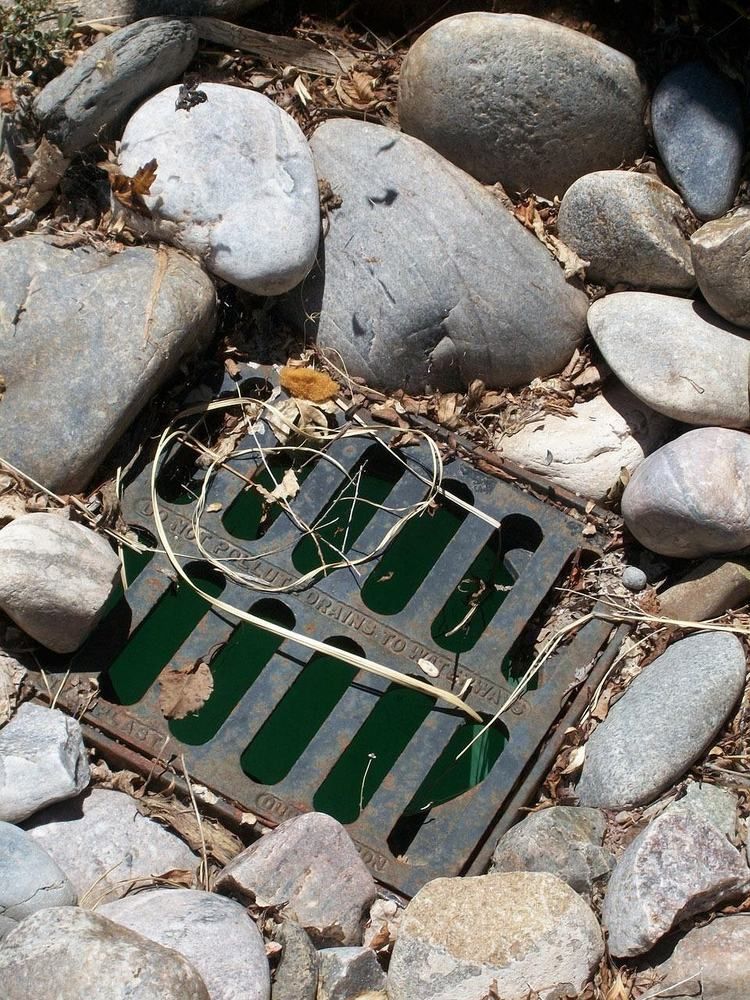
A surface drain needs an opening that water can actually reach. Raising a grate to keep it tidy can leave the surrounding puddle below it, while placing it too low can create an awkward dip in the lawn. We consider that finished level alongside walking and mowing.

Why Property Owners Choose Us
What Is Feeding the Water Beside Your Patio?
- We look at the source before recommending more collection points. Suppose runoff from a paved seating area keeps spreading onto a narrow lawn strip. We'd assess that flow at the paving edge before proposing a basin farther into the grass, where the water has already spread.
Less Digging Where One Collection Point Will Work
- A large wet area does not always call for digging across the whole yard. We check whether catching the runoff before it spreads would solve the problem or whether water needs collecting in several places. That makes the reason for any extra digging clear.
Checking That Water Can Leave the Drain
- We check where the pipe would empty before recommending a drain that relies on gravity. A ditch that fills during rain may not provide the outlet the system needs. If the available discharge route creates a problem elsewhere, we explain that limit rather than treating a buried pipe as a complete answer.
What the Work Means for Paths and Lawn
- We discuss lawn repair and any hard surface crossing as part of the proposal. A short route beneath a path may involve more work than a longer route through open ground. Those differences help explain the scope and cost without relying on pipe length alone.
How We Handle the Job
01
Using Rain Photos to Follow the Runoff
Rain photos can help show where water enters and how it moves before pooling. We'd also ask whether the area clears quickly or remains wet between showers. We use those observations alongside measurements to understand the problem, including places that may look dry when we visit.
02
Keeping Leaves and Soil From Blocking the Inlet
We consider the low point and the debris likely to reach it when placing a basin. Leaves and soil need somewhere to collect without making the inlet difficult to clean. An opening hidden beneath dense planting may be less practical to maintain than one you can readily reach.
03
Comparing Pipe Routes Around Existing Yard Features
The proposed pipe route needs enough fall and room for installation. We account for utility locations and established roots before settling on a trench line. If the pipe needs to cross paving, we explain how that surface would be opened and repaired before work starts.
04
When the Lawn Stays Wet Between Showers
Some yards have a second issue beneath the visible runoff. If an area remains saturated after surface water has cleared, we check whether French drain installation would help. We identify what each collection method would address instead of assuming another surface inlet will dry the ground.
Serving Dothan and Nearby Areas
We handle yard drainage in Dothan, Midland City, and Cowarts. For homes near paved corridors such as Highway 84 East, we check whether driveway or roadside runoff is contributing to pooling before deciding where to collect it.